A single drink may put a person over their state’s BAC limit for driving. Over time, excessive alcohol use can cause liver health problems such as cirrhosis. Chronic drinking can even cause dementia by causing a dangerous vitamin B-1 (thiamine) deficiency.
- For some people, this state of utter joy persists no matter how much they drink.
- If someone is showing signs of severe impairment or distress, it is vital to keep them safe and calm until help arrives.
- Men and women, for instance, will have different alcohol concentrations in their blood because women have a higher fat percentage, meaning less blood.
- Individuals under the influence of alcohol or drugs may perceive their surroundings differently.
Factors Influencing Intoxication Levels
Being tipsy is the first sign that your alcohol intake is affecting you. It’s the tipsy stage where you start to feel the initial effects of drinking. This stage happens when alcohol begins to affect your central nervous system but not enough to cause major impairment. Or you may deny having alcohol, but your blood sugar levels may begin to differ. Feeling drunk without drinking is typical in a medical condition called auto-brewery syndrome. Besides, you may also experience this drunken feeling if you lack sleep, suffer what does being drunk feel like from sleep drunkenness, or are dehydrated.
The Brain on Booze
This means your mood can improve or worsen depending on your feelings. At a 0.05 to 0.06 BAC, you’ll feel warmer and even more relaxed and outgoing. You may experience some minor impairment of your reasoning and exaggerate your behaviors (talking louder, acting bolder, etc.). Your BAC is expressed as the weight of ethanol (measured in grams) in 100 milliliters of blood.
Lifestyle Quizzes
The symptoms of alcohol poisoning are severe and indicate the body is overwhelmed. It’s essential to watch for these specific warning signs, as they signal a need for immediate medical help. Look for confusion, difficulty speaking or slurring words, and trouble with movement or standing. Other critical signs include vomiting, slow or irregular breathing, and pale or bluish skin.
Changes in Physical Appearance
Suddenly, you’re an incredible dancer or the world’s most hilarious stand-up comedian. Alcohol might seem like a friendly social lubricant, but it’s a sneaky one, quietly infiltrating our brain and bodily systems. Its first stop is the central nervous system — the brain — command central for all our actions, thoughts, and feelings. Alcohol consumption can have various effects on individuals, ranging from altered perception to physical dangers.
Social Behavior Changes
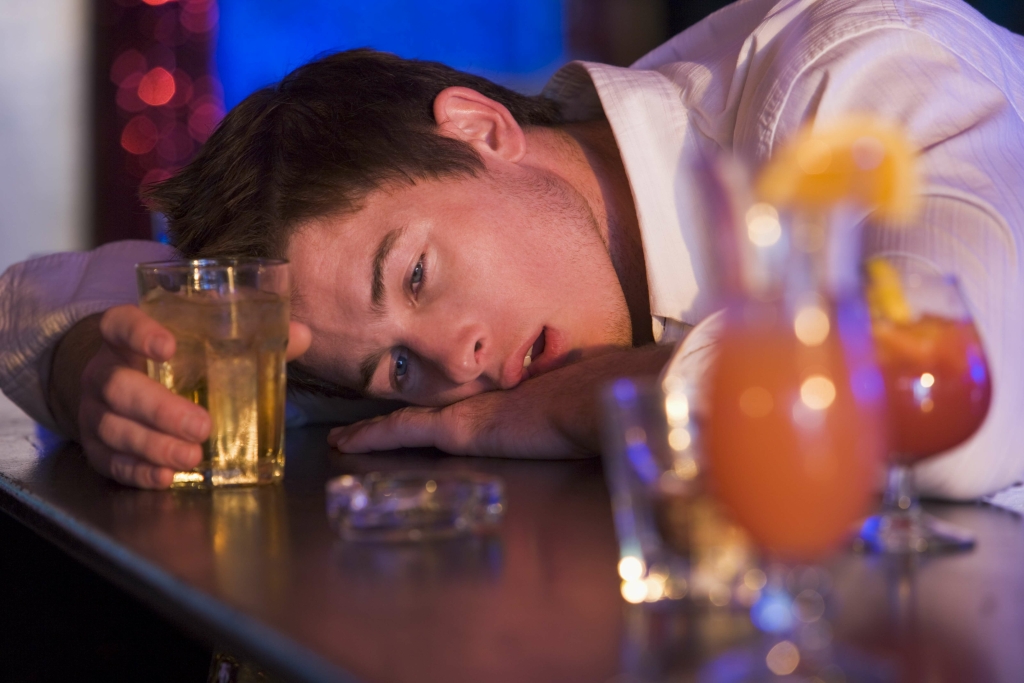
Alcoholism can also cause jaundice, a yellowing of the skin, indicating liver problems resulting from high levels of alcohol consumption. Neglect of personal hygiene and grooming, exhaustion, dehydration, and lack of sleep are common physical signs of alcoholism, leading to a disheveled appearance and an alcohol smell. Legal limits for driving under the influence (DUI) are typically defined in terms of BAC. In the United States, for example, a BAC of 0.08% is considered the legal limit for operating a motor vehicle.
What is Gray Area Drinking and Is It Dangerous?
In this article, we’ll take a look at what happens when we drink alcohol for the first time and provide some tips for beginners to stay safe with alcohol. Because alcohol reduces our alcoholism inhibitions, it makes us more likely to act impulsively. But for others, it might mean doing something truly dangerous, like driving drunk or taking a dive off the roof.

Factors such as body weight, gender, genetics, and alcohol tolerance all play a role in how quickly someone becomes drunk. Drinking on an empty stomach or consuming alcohol rapidly can also lead to faster intoxication. Most people start to feel the effects of alcohol within minutes of consuming a drink, depending on their body size, metabolism, and whether they’ve eaten beforehand.
Respiratory depression and hypothermia are possible, and this level of intoxication can quickly lead to coma or death—especially as BAC surpasses 0.45%. At extremely high levels, vital body functions such as breathing and heart rate may fail, making immediate medical intervention critical. Understanding the relationship between BAC levels and effects enables individuals to make informed choices about alcohol consumption.
While this chemical activity plays out all over the body, it’s mostly concentrated in two areas. As someone who’s had plenty of nights that drunk & also had work days that seemed to never end (not at the same time)… Some genes make us more sensitive to alcohol, while other variants may make us less vulnerable to its effects.
These occur as alcohol begins slowing down the central nervous system. The parts of the brain controlling judgement and decision-making also start to be impaired. A person may be vulnerable or in distress; remember that substance abuse and intoxication are complex concerns. In certain people, weed and alcohol might cause paranoia and anxiety.
Exploring What Being Drunk Feels Like: Insights for Healthier Drinking Habits
This effect may lead you to feel a lapse in memory and have concentration problems. It also affects our perception of the world and increases cognitive https://arsenalproperties.co/will-alcohol-raise-blood-pressure-understanding-5/ lapses. And so, the transition is rough, causing you to feel as though you’re drunk. You might feel drunk right after you wake up as opposed to the auto-brewery syndrome. But don’t worry, because, with a few quick fixes, you’ll be able to get rid of this problem. This article will explain all you need to know about feeling drunk without actually drinking.